

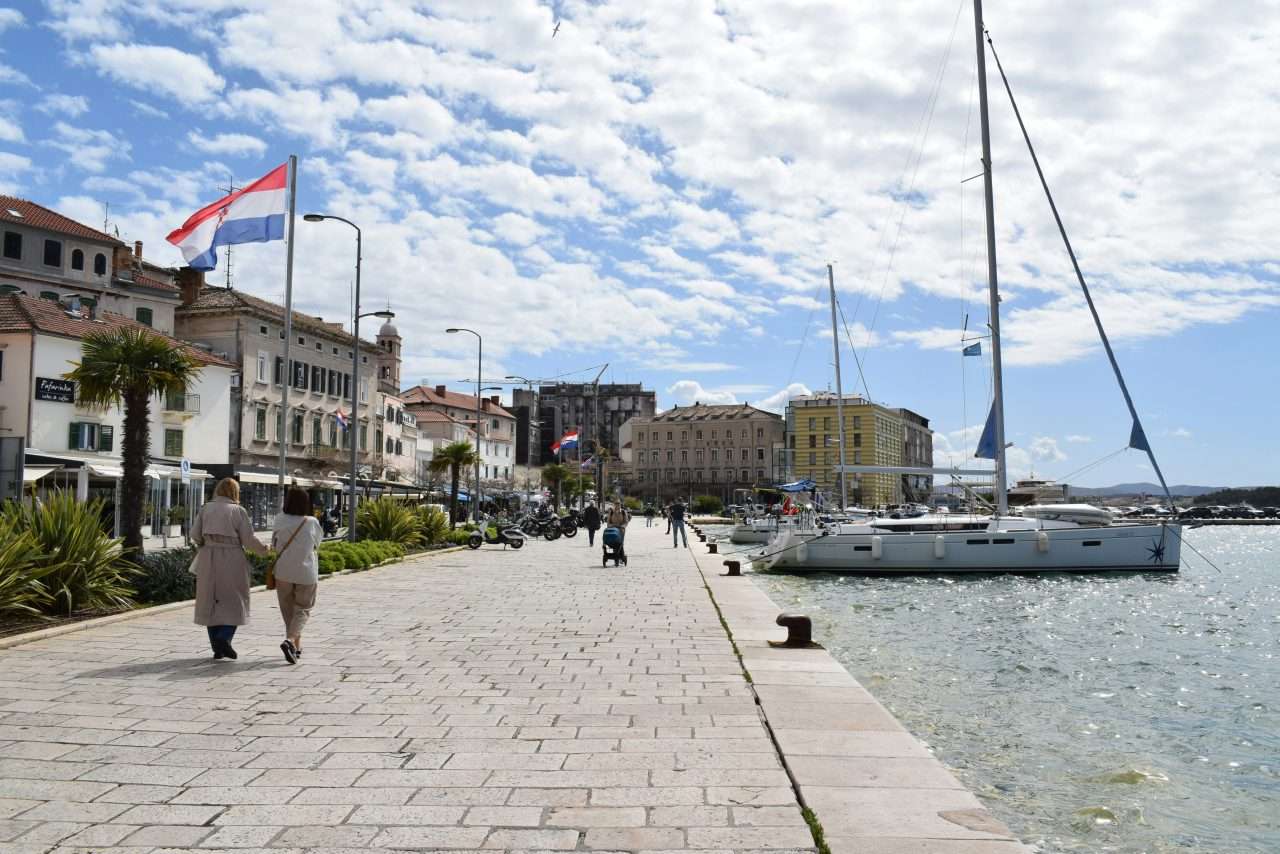

The Croatian real estate market has seen significant changes in recent years, driven by a combination of economic growth, tourism, and foreign investment. As we look ahead to the next five years, several trends and factors are expected to shape the landscape of Croatian real estate. Here, we provide insights into market trends, predictions, and the key influences on the sector.
1. Continued Growth in Tourism-Driven Markets
Popular Destinations
Tourism remains a critical driver of the Croatian real estate market. Cities like Dubrovnik, Split, and coastal regions such as Istria are anticipated to experience sustained demand. The allure of Croatia’s historic towns, stunning coastline, and vibrant culture will continue to attract tourists, subsequently boosting the short-term rental market and property values in these areas.
Investment Opportunities
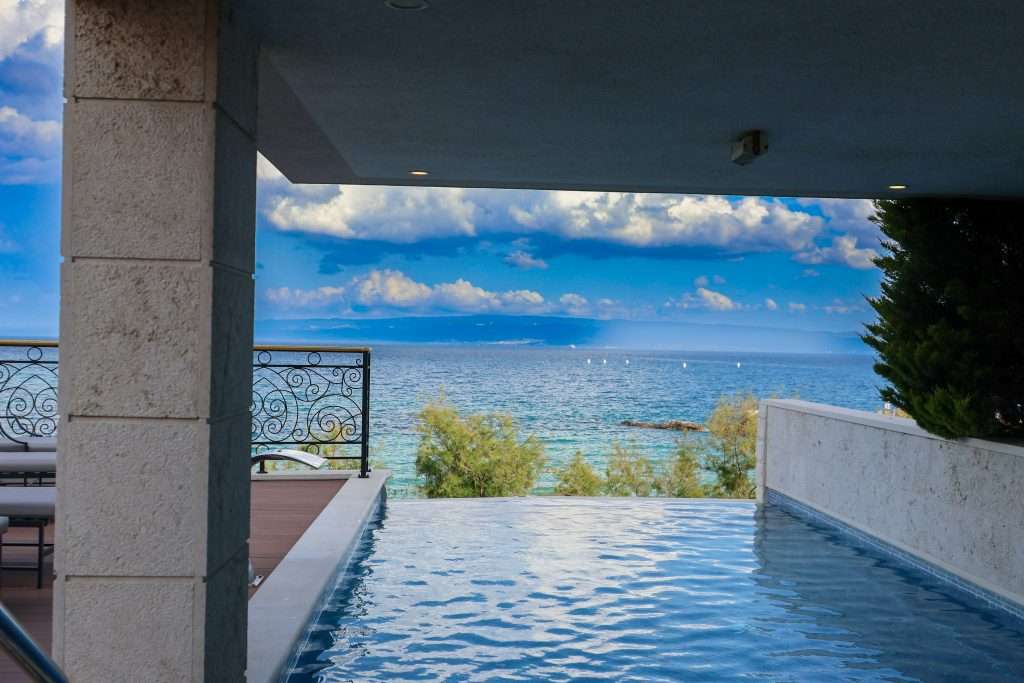
Investors can expect profitable opportunities in vacation rentals and holiday homes. Properties that cater to high-end tourists, such as luxury villas and waterfront apartments, will likely see increased demand.
2. Urban Development and Infrastructure Improvements
Major Cities
Urban development in major cities like Zagreb and Rijeka is expected to continue, with significant investments in infrastructure. Improved transportation networks, including roads, railways, and airports, will make these cities more accessible and attractive for both residents and investors.
Smart Cities
The push towards smart city initiatives will enhance the quality of living, with advancements in technology and sustainable urban planning. In other words, these improvements will increase property values and attract tech-savvy buyers and businesses.
3. Rise of Eco-Friendly and Sustainable Properties
Green Buildings
Sustainability is becoming increasingly important in the real estate market. Moreover, there will be a growing demand for eco-friendly and energy-efficient properties. Developers are likely to focus on green buildings, utilizing renewable energy sources and sustainable materials to meet this demand.
Regulatory Changes
Government regulations promoting sustainability will also play a role. Incentives for green building practices and energy-efficient homes will encourage developers to adopt these standards, making eco-friendly properties more prevalent.
4. Increasing Foreign Investment
Attractive Market Conditions
Croatia’s real estate market remains attractive to foreign investors due to its relatively lower property prices compared to other European countries, coupled with the promise of high returns. The next five years will likely see an influx of foreign capital, particularly from EU countries and beyond.
Legal Framework
The Croatian government’s efforts to streamline the property buying process for foreigners and provide legal safeguards will further boost foreign investment. Simplified procedures and transparency in transactions will make the market more accessible.
5. Expanding Residential Market
Affordable Housing
As urban areas grow, there will be a pressing need for affordable housing. Developers are expected to focus on constructing residential properties that cater to the middle-income segment, balancing affordability with quality.
Suburban Growth
The rise of remote work has shifted some demand to suburban and rural areas. In these areas, larger homes with outdoor spaces are more affordable. This trend is expected to continue, with more people seeking properties outside of crowded city centers.
6. Market Stability and Economic Factors
Economic Growth
Croatia’s stable economic growth will underpin the real estate market. A steady economy ensures consistent demand for properties and provides confidence to both local and international investors.
Inflation and Interest Rates
Inflation and interest rate trends will impact the market. Low-interest rates make borrowing cheaper, encouraging property purchases. However, any significant changes in these rates could influence buyer behavior and market dynamics.
The Croatian real estate market is poised for dynamic growth over the next five years. Key trends such as tourism-driven demand, urban development, sustainability, increased foreign investment, and the expansion of the residential market will shape the sector. Investors and buyers should stay informed about these trends and consider the evolving landscape to make strategic decisions. By understanding these market trends and factors, stakeholders can capitalize on opportunities and navigate potential challenges, ensuring a successful investment in Croatia’s thriving real estate market.
Resources:

